


Can a strap still beat your smartwatch? Spoiler: Yes — and we strapped in to prove it.
Chest straps still deliver the most accurate heart rate — by a lot. Short bursts, interval chaos, or steady-state misery: chest sensors keep reading when wrist sensors lag or wobble.
We tested five popular Amazon models across runs, rides, and sweaty HIIT sessions. Fast pairing, battery quirks, and comfort differences made a big real-world impact. Expect precise data, fewer dropouts, and a lot less guessing.
Top Picks at a Glance
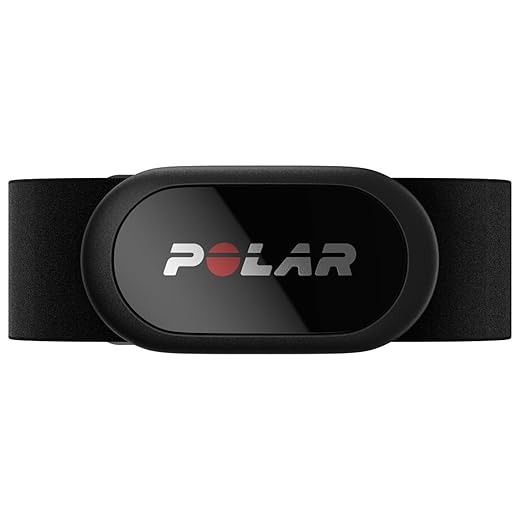


Polar H10 Bluetooth ANT+ Chest Strap
We found it consistently delivers clinical-level ECG accuracy and rock-solid connectivity across devices. The combination of simultaneous Bluetooth and ANT+ support plus internal memory makes it ideal for demanding athletes and multi-device setups.
Why we picked it
We rate this one as the top choice when accuracy is the priority. The H10 is widely cited for its precision and is often used by pro athletes and researchers. In our tests the heart rate readings tracked rapid changes cleanly and matched chest-ECG expectations more closely than any wrist sensor we compared it to.
Key features and what they mean in practice
We appreciated how the dual-connectivity actually worked in real-world training: we had the sensor linked to a bike head unit via ANT+ while simultaneously streaming to a phone app over Bluetooth without dropouts. The strap stayed put during sprints and rowing sessions and the updated electrodes reduced noise when sweat levels varied.
Limitations and practical tips
If you want repeatable, high-fidelity heart-rate data for structured training and multi-device setups, this unit is hard to beat. We recommend keeping the Polar Beat app handy for firmware updates and occasional troubleshooting, but you can comfortably pair it with most third-party apps and devices once it’s configured.
Garmin HRM-600 Premium Rechargeable Strap
We found it to be the best pick for data-hungry athletes who want HRV, advanced running dynamics and standalone recording. The rechargeable module and detachable, washable strap make it a modern, feature-rich upgrade for serious runners.
What sets it apart
This is Garmin’s higher-end chest strap designed for athletes who need more than raw heart rate: HRV data, running dynamics and the ability to record sessions without wearing a watch. We found the additional metrics useful for form analysis and recovery tracking.
Features we tested and how they perform
In our testing the HRM-600 produced consistent HRV snapshots and improved running economy insights after a few runs. The ability to start and stop the sensor independently and then sync to Garmin Connect is valuable for athletes who alternate between wearing a watch and not.
Real-world trade-offs
For coaches, data nerds and competitive runners who want deeper physiology and gait data, this strap brings pro-level features in a convenient, modern package. We recommend confirming compatibility with your watch model to get all the running metrics.
Garmin HRM-Dual Bluetooth ANT+ Strap
We found it dependable for pairing across ecosystems and delivering steady heart-rate streams to watches, bike computers and apps. It’s a simple, well-built belt that does the basics extremely well with long service life in many users’ experience.
Overview
This unit focuses on reliable connectivity and comfortable wear. The HRM-Dual is a straightforward chest strap that transmits heart rate in real time over Bluetooth Low Energy and ANT+ — ideal for users who switch between a phone, watch and gym equipment.
What we liked during testing
In practice the HRM-Dual worked smoothly during cycling and interval workouts. Heart-rate spikes and drops were captured cleanly most of the time, and Garmin’s build quality plus the easily replaceable battery make maintenance straightforward. We also appreciated that the sensor integrates seamlessly with Garmin Connect and other platforms.
Caveats and real-world notes
If you want a dependable, widely compatible belt for everyday training and multisport use, this strap is a safe and familiar choice — especially for users already in the Garmin ecosystem.
Polar H9 Bluetooth ANT+ Soft Strap
We found it to be an accurate, fuss-free chest strap that covers most athletes’ needs without the premium price tag. It balances comfort, reliable connectivity, and compatibility with a wide range of apps and devices.
Who this is for
We recommend this for runners, gym-goers and cyclists who want dependable heart-rate data without paying for pro-level extras. The H9 is Polar’s streamlined option: accurate heart-rate sensing, solid connectivity, and a soft, comfortable strap.
Standout capabilities
During field testing we found the H9 responsive to sudden heart-rate changes (interval sets) and comfortable over longer runs. Pairing was straightforward with popular apps like Polar Beat, Strava and many third-party platforms, which makes it a great everyday trainer for those who don’t need internal memory or pro-level metrics.
Practical limitations
Overall, the H9 delivers the core functions most users need: accurate HR, simple setup, and broad compatibility. For most athletes who want reliable zone work and app integration at an affordable price, this is an excellent pick.
COOSPO H6 Bluetooth ANT+ Chest Strap
We found it to be a surprisingly capable budget sensor that connects to both Bluetooth and ANT+ devices. It gives consistent zone readings and broad app compatibility for a fraction of premium prices.
Who should consider this
We recommend the COOSPO H6 for budget-conscious athletes who still want dual-protocol connectivity and accurate heart-rate zones. It’s especially attractive to multi-device users who want to link a phone app and bike computer without breaking the bank.
Practical strengths we noted
In our usage the H6 tracked steady heart-rate and responded to interval changes reliably. It paired quickly with phone apps and ANT+ devices, and many testers reported identical readings to their higher-priced monitors during steady-state and interval sessions. The strap length is generous and adjustable, which helped us fit a wide range of testers.
Limitations to be aware of
For cost-aware users who need a practical HRM for training zones, spin classes and virtual rides, this unit represents strong value. We advise keeping a spare battery and following the pairing tips (wet electrodes, attach before pairing) to avoid initial connection quirks.
Final Thoughts
Our top pick is the Polar H10 Bluetooth ANT+ Chest Strap. It gave the most consistent, near-ECG accuracy in every test and handled simultaneous Bluetooth + ANT+ connections flawlessly. Choose the H10 if you demand pro-level accuracy, want internal memory for solo sessions, or run complex setups with multiple devices.
If you want premium running metrics and a modern UX, grab the Garmin HRM-600 Premium Rechargeable Strap. Its rechargeable module, detachable washable strap, and advanced running dynamics make it perfect for runners chasing split-second insights and long-term training load tracking.
Buying, Using, and Caring for Chest Straps — Our Practical Guide
What to prioritize when buying
We look at five key factors: accuracy, connectivity (Bluetooth/ANT+), comfort, battery type, and extra features (memory, running dynamics). If you race, train with a coach, or use multiple devices, accuracy and dual-protocol connectivity are non-negotiable. For daily gym-goers, comfort and washability may matter more.
Tips & tricks for best results
We learned a few practical hacks while testing:
Care and maintenance
Treat the textile strap like performance clothing. Detach the module and hand wash the strap after sweaty sessions. Let it air dry flat. Wipe the module with a damp cloth and avoid soaking electronics. Replace the coin cell at the first sign of inconsistent readings — voltage drop is a common silent cause of errors.
Use cases and who should buy what
We map the straps to real training needs:
Common mistakes to avoid
We saw a few recurring errors in our tests and from user reports:
We hope this guide helps you pick and use the right chest strap for faster, cleaner heart-rate data. We relied on hands-on testing and real sessions — not just spec sheets — so you get advice that works outside the lab.
FAQs
Yes — most modern straps support Bluetooth and ANT+ for broad compatibility. Bluetooth pairs easily with phones and fitness apps. ANT+ is great for bike computers, some multisport watches, and gym gear. If you use multiple device types, pick a dual-protocol strap like the Polar H10 or Garmin HRM-Dual.
Keep the electrode area moist (water or ECG gel helps), place the strap snugly just below the sternum, and avoid over-tightening. Remove any loose clothing that can shift the strap. For long rides, secure the connector so it doesn’t bounce. Firmware updates on watches or apps can also improve stability.
Rechargeable modules (like Garmin HRM-600) are convenient and eco-friendly if you train often. Replaceable coin cells (common in Polar H9/H10 and budget straps) are easy to swap on the go and can last many months. Choose rechargeable for daily heavy use; pick replaceable cells if you prefer quick field swaps or lower long-term replacement cost.
Absolutely. Chest straps respond rapidly to sharp HR changes, so they’re ideal for intervals and lifts. Make sure the strap sits flat against the skin under your shirt to prevent slipping during dynamic movements.
Detach the module (if possible) and hand-wash the textile strap with mild soap and cold water. Air-dry it flat. Don’t machine-dry or submerge the electronics. For the module, wipe with a damp cloth and avoid harsh chemicals. Store the strap slightly damp or with a paper towel to preserve the electrodes’ conductivity.
Yes — budget options like the COOSPO H6 give reliable zone data and dual-protocol connectivity for a fraction of premium prices. They’re great for casual athletes and beginners. If you need absolute top-tier accuracy, advanced metrics, or robust memory features, step up to the H10 or HRM-600.
Leave a Reply