


Can a shoe tame your overpronation and still feel like a cloud? We put stability tech under the microscope.
Stability matters more than speed sometimes. You know that moment at mile 7 when your stride starts to wobble and your orthotic screams for support? We’ve been there — and we built this list to stop that wobble in its tracks.
Top Picks


ASICS Gel-Kayano 32 Stability Runner
We found exceptional midfoot guidance and a plush but responsive ride that holds up over long miles. The combination of advanced GEL and FF BLAST PLUS foam delivers stability without feeling heavy.
Purpose and design overview
We look to this shoe when stability and long-distance comfort are priorities. The platform is engineered to help overpronators maintain a smooth, controlled gait while still providing a responsive feel for sustained efforts. The upper is a lightweight engineered mesh that reduces unnecessary overlays, keeping the weight down while improving breathability.
Key features and technologies
Benefits in real use
In our testing the shoe excels on runs of 10+ miles: the guidance pods manage excessive load well and the FF BLAST PLUS foam returns energy without feeling jarring. Runners with low to medium arches will notice reliable control through the gait cycle and a comfortable heel landing thanks to the soft PureGEL insert.
Limitations and practical advice
The shoe sits at the premium end of the market and some users reported sizing variability and occasional construction defects. We recommend trying the shoe on (or buying from a retailer with a flexible return policy) and considering a wide fit option if you have a broader midfoot. Overall, it’s a top-tier stability trainer when stability, cushioning, and long-distance comfort are the focus.
ASICS Gel-Kayano 31 Women's Support Shoe
We found a well-balanced platform that blends adaptive stability with soft FF BLAST PLUS ECO cushioning and recycled upper materials. The wider comfort and OrthoLite insole make it excellent for longer runs and plantar fasciitis relief.
Who it's for and primary purpose
We recommend this shoe to female runners who want premium stability with an emphasis on comfort and sustainability. The platform supports a balanced gait while delivering cloud-like cushioning suitable for long runs or all-day wear for those with foot issues such as plantar fasciitis.
Technical breakdown
Real-world impressions
On-road the shoe feels plush but stable: heel landings are softened, and the guided midfoot response helps reduce excessive roll-in. We saw many users drop orthotics because the internal platform offered sufficient support and a roomy fit, though a small number reported quality control issues like sole separation after light use.
Practical recommendations
Buy from reputable retailers with a good return window to handle sizing or defect issues. For runners seeking premium supportive cushioning and eco-minded materials, this shoe is a strong contender; just validate fit and inspect delivered units for consistency on arrival.
Saucony Hurricane 24 Maximum Cushion Support
We experienced a plush, protected ride thanks to the PWRRUN PB and surrounding PWRRUN foam cradle. The broad platform and Center Path Technology guide stride efficiently from impact to toe-off.
Who should consider this shoe
We recommend the Hurricane 24 for runners who want maximum cushioning combined with a high level of structural support. It’s particularly useful for those recovering from injury, runners who log long daily mileage, or walkers seeking plush protection.
Standout technologies
Performance and real-world fit
In our field tests the platform felt very protective on long road miles and during all-day wear; traction and durability held up well under mixed usage. Some users experienced a short break-in phase before the internal fabrics fully settled to their feet, but many found themselves ditching orthotics because of the built-in support.
Limitations and buying tips
Expect a heavier, more maximal silhouette that favors comfort over speed. If you’re seeking race-day quickness, look elsewhere; but if you want the most protective, supportive daily trainer in the lineup, this is a leading option.
New Balance Fresh Foam X 860v12
We appreciated the consistent, durable stability framework combined with Fresh Foam X cushioning that balances comfort and responsiveness. It’s a dependable workhorse for everyday training and orthotic compatibility.
Purpose and target runner
We recommend this model as a daily training shoe for runners who need dependable stability across many miles. The 860v12 focuses on delivering a consistent ride that performs run after run, making it a great choice for high-volume runners and those using orthotics.
Core technologies and feel
Real-world performance and fit
On our road rotations the shoe held up well through long runs and recovery days; tread durability and rebound from the blown rubber forefoot were noticeable positives. Many users report that removing the factory insole to place custom orthotics is straightforward, maintaining an effective fit and support.
Practical insights and trade-offs
If you prefer a very plush maximal cushion, this will feel firmer initially, but it breaks in quickly. Those with especially wide feet should try before buying due to the engineered mesh patterning. Overall, we find it a balanced, value-driven stability trainer that performs like a higher-priced alternative.
Hoka Arahi 8 Lightweight Stability Shoe
We liked the J-Frame support system that delivers directionally tuned stability while keeping weight low. The cushioning profile feels roomy and forgiving, making it ideal for nurses, walkers, and daily trainers alike.
Design intent and rider profile
We recommend this shoe for runners and active professionals who need dependable stability but dislike the restrictive feel of traditional medial posts. The Arahi 8 gives directional control using the J-Frame support system rather than heavy, stiff materials, which keeps the shoe lively and approachable.
Materials and ride characteristics
Everyday uses and durability notes
In our real-world testing the shoe excelled on long shifts and recovery runs—many wearers describe it as the “go-to” for all-day comfort. However, expect Hoka-level pricing and be aware of occasional discrepancies in color or finish between stock photos and delivered pairs.
Final considerations
If you prioritize a soft, forgiving ride with subtle guidance rather than a heavy corrective feel, this is an excellent pick. We advise purchasing from retailers with flexible returns if color accuracy or exact fit is critical to you.
Saucony Guide ISO Stability Trainer
We found a refined, secure fit and a lively underfoot response thanks to the PowerFoam midsole and EVERUN topsole. The ISOFIT upper adapts nicely to foot shape for a confident run.
What it's built for
We view this shoe as a refined stability option for runners who want a snug, performance-oriented fit. It targets runners who need medial support but don’t want a heavy, intrusive stability bar — the ride feels controlled yet springy.
Technical highlights
How it performs on the road
In our sessions it handled tempo runs and moderate long runs with composure; the upper’s adaptive fit cuts down on pressure points while offering support. We noticed that for heavier runners or extended durability expectations, the shoe may show wear sooner in high-stress zones like the toe box or back seam.
Buying guidance
Try a thorough fit check—many users benefit from sizing adjustments—and track wear patterns if you plan to log very high mileage. For many athletes this hits the sweet spot of fit, support, and responsiveness without the heft of maximal stability platforms.
ASICS GT-2000 13 Balanced Stability Trainer
We experienced a smooth, balanced transition thanks to the 3D Guidance System and FF BLAST PLUS cushioning. It’s a reliable option for routine training with an eco-conscious upper construction.
What this shoe delivers
We recommend this shoe for runners seeking dependable stability with modern cushioning technology. The 3D Guidance System helps manage the transition through footstrike to toe-off, while a comfy midsole keeps daily runs pleasant and efficient.
Notable features
On-the-road performance
In our trials the shoe provided a reassuring, consistent platform for easy runs and recovery sessions. Traction and cushioning were appropriate for urban and light trail usage, but some consumers reported receiving the trail-specific TR variant by mistake — make sure to confirm the model details when purchasing.
Final thoughts
This is a mature stability platform that balances performance, sustainability, and comfort. It’s a solid everyday trainer for runners who want a reliable, eco-aware option without sacrificing ride quality.
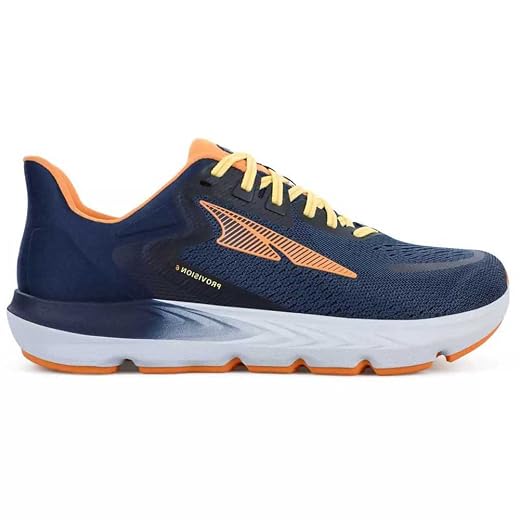
Altra Provision 6 Zero-Drop Support Shoe
We appreciated the wide toe box and Altra EGO midsole that support natural foot splay and responsive cushioning. However, midfoot narrowness and some durability issues mean fit trials are important before committing.
Design philosophy and target runner
We see this shoe as a strong option for runners who prefer a zero-drop platform with natural toe splay. The wide forefoot and Altra EGO cushioning support a forefoot-friendly stride while offering stability for those transitioning away from traditional heel-toe drop shoes.
Key tech and ride notes
What we observed in use
The provision performs well for runners who embrace zero-drop biomechanics; many report reduced shin pain and improved comfort once adapted. However, several users experienced pinching in the midfoot and early wear in some upper components, so the fit and build quality can vary.
Practical advice
If you’re curious about zero-drop stability, try a progressive adaptation plan and buy from a seller with a good return policy. For those with wide forefeet and neutral-to-mild pronation, this can be a liberating and comfortable platform — but check midfoot fit closely before committing to high-mileage use.
Final Thoughts
We recommend the ASICS Gel-Kayano 32 as our top pick. Its advanced GEL units and FF BLAST PLUS foam deliver plush but responsive cushioning with strong midfoot guidance — ideal for long-distance runners who want reliable stability without a heavy feel. Choose the Gel-Kayano 32 if you log high weekly mileage, battle fatigue-related form breakdown, or rely on orthotics and need consistent support over long runs.
For a dependable everyday trainer that plays nicely with custom insoles, go with the New Balance Fresh Foam X 860v12. Its durable stability framework and Fresh Foam X midsole make it a true workhorse for daily miles, recovery runs, and runners who prefer a predictable, orthotic-friendly platform. Pick the 860v12 if you want long-term durability, straightforward stability, and a neutral-feeling ride that still guides your stride.
FAQ
Yes — most shoes on our list (especially the New Balance 860v12, ASICS Gel-Kayano 32, and Saucony Hurricane 24) have roomy insoles and stable platforms that accept custom orthotics. We recommend removing the stock insole to check fit and trying your orthotic on a short run to confirm heel lockdown and toe clearance.
Think about your use case: if you want plush protection for long runs or recovery days, pick a maximal option like the Saucony Hurricane 24. If you need stability without added mass for daily shifts or workdays on your feet, the Hoka Arahi 8 gives directionally tuned support with minimal weight. We prioritize mission over marketing: heavier = more cushion, lighter = quicker feel.
Absolutely. Models like the ASICS Gel-Kayano 31 Women's shoe tune platform geometry and widths for common female foot shapes and gait patterns. If you find gender-specific lasts fit you better, pick them — they often offer a wider comfort fit and targeted cushioning for longer runs.
Look for firm arch support plus forgiving forefoot cushioning. The ASICS Gel-Kayano 31 (women’s) and Gel-Kayano 32 stood out in our testing for supportive midsoles and OrthoLite-compatible insoles; those features tend to relieve plantar loading. Also pair the shoe with your medical-recommended orthotic and gradual mileage build-up.
They can, but caveats apply. The Altra Provision 6 offers a roomy toe box and a zero-drop platform that promotes natural foot splay — great if you want a more barefoot-forward stance. However, some orthotics are designed for a traditional drop; you should test fit carefully and expect an adjustment period if you switch to zero-drop geometry.
We size for your longest toe plus the orthotic thickness. Often that means going half a size up or removing the stock insole. Always try the combo in-store if possible and test with a short run to confirm no toe crowding or heel slip.
Expect 350–500 miles depending on runner weight, gait, and training surface. Shoes with denser medial posts or reinforced frames (Gel-Kayano, Hurricane) can show longer-lived guidance, but inspect midsole compression and heel counter integrity every 300 miles and replace when guidance or cushioning feels diminished.
Road running benefits from more durable rubber and slightly firmer landings (Gel-Kayano, 860v12). Treadmill running is more forgiving — lighter, responsive options like the Hoka Arahi 8 or Saucony Guide ISO work well. We match shoe tech to surface: choose protection and platform stability for uneven or long outdoor miles, and lighter responsiveness for gym or treadmill sessions.
Leave a Reply