


Load Up or Lighten Up? Which smart vest actually survives our burpees and still looks tactical?
Add weight, not excuses. We love bodyweight tech that turns a plain push-up into a strength test. A well-designed vest can make every rep count.
Our Top Picks
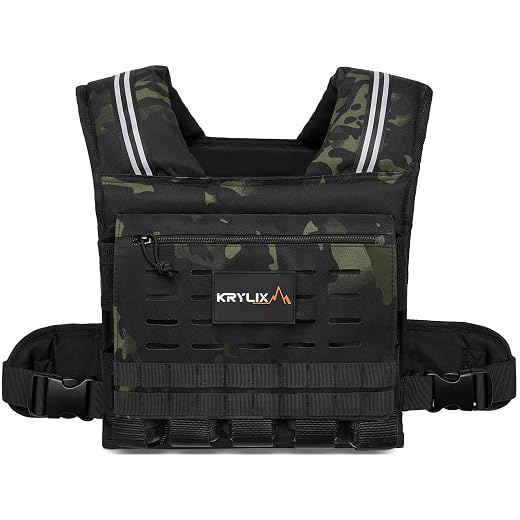


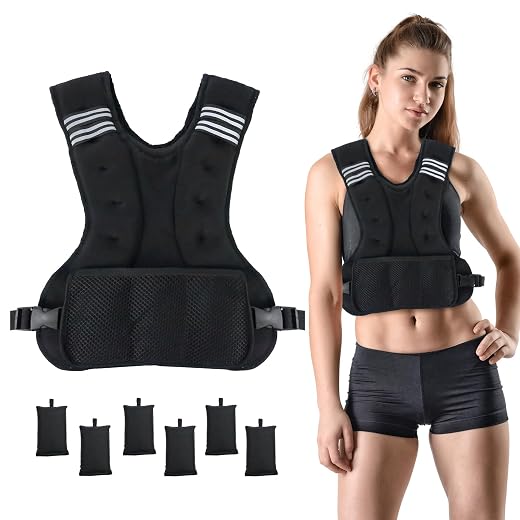
KRYLIX Heavy-Duty 40lb Iron Block Vest
A well-engineered, iron-block vest targeted at serious athletes and tactical users who need reliable, leak-proof weight. We’re impressed by its materials, secure fit, and practical storage pocket for essentials.
What this vest targets
We view this as the premium option for athletes and professionals who need a durable, high-capacity vest. The iron-block system (20 x ~2 lb blocks) creates a smooth, customizable load up to 40–45 lb, with small increments that make progressive overload practical.
Core technical strengths
Performance and use-cases
On long rucks, heavy circuits, and strength-endurance workouts we found the vest holds securely with minimal bounce — the fixed waist belt and padded shoulders distribute load well. For tactical-style training or athletes pushing for plateaus, the block system enables precise increments that are easy to change mid-cycle. A common user takeaway: "Great value for the build quality and adjustability," which aligns with our assessment.
Downsides and buyer guidance
Expect a heavier package and a higher price tag than budget neoprene vests; this is engineered for durability and load, not light sprint intervals. If you need a long-lived, dependable training tool for heavy work, this is one of the best options in its class.
BAGAIL Removable Iron Plate Weighted Vest
A robust iron-plate system and heavy-duty construction make this a reliable choice for progressive strength and cardio work. We appreciate the comfort details and reflective safety strips for outdoor use.
Who it's for and what it does
We see this vest as a versatile, heavy-duty solution for athletes who want a scalable iron-plate system without spending premium money. It supports incremental progression (20/30/40 lb options) with 2.5 lb cast iron blocks that snap into pockets, so you can dial resistance precisely for running, rucking, calisthenics, or conditioning.
Key features and materials
Real-world benefits and usage tips
We found the vest balances durability with comfort: the padded shoulders reduce pressure even at higher loads, and the block system stays put during dynamic movement. For runners or ruckers we recommend starting with fewer plates and increasing in 2–5 lb increments to avoid form breakdown. As one user put it, "A game changer — easy to add/remove weights," which summarizes the practical value.
Limitations and final take
The trade-off here is weight and bulk at maximum load: it’s not the lightest vest for sprint work or quick agility drills. Still, for steady-state runs, hikes, and strength progression, this vest offers excellent value and longevity, making it a top pick for most training stacks.
Sportneer Multi-Point Adjustable Running Vest
A highly adjustable neoprene vest with removable weight packs that suit running, calisthenics, and gradual progression. We value its fit options and zipper front for easy on/off during interval training.
Why we like it
We recommend this vest for runners and bodyweight athletes who want granular control over load distribution. The Sportneer design emphasizes even weight placement across front and back with multiple small weight pods, which reduces bounce and improves comfort during running and interval work.
Key features at a glance
How we use it and user insights
For tempo runs and hill repeats we liked keeping most weight low and symmetric; for calisthenics, shifting a few pods forward helps with push-up and core work. Practical tip: start at ~8–10% of bodyweight for conditioning sessions and never exceed about 20% for longer-duration work. Users commonly praise the ease of adjusting increments and the lack of bounce during movement.
Considerations
This vest balances adjustability with heat retention — expect more sweat during hard sessions. If you need extreme loads beyond the upper limit, a block-based heavy vest will be a better match. For most athletes seeking a flexible, everyday vest, this one strikes a strong balance.
Miramrax Tactical Plate-Carrier Style Vest
A plate-carrier style vest that accepts standard plates and integrates molle for customization; well-suited for hardcore strength work and tactical training. We like its heavy-duty build and capacity for high loads.
Who should consider this vest
We recommend the Miramrax plate-carrier for athletes and practitioners who want maximum modularity: if you already own plates or plan to mix barbell plates with a vest, this carrier-style product lets you configure load and placement precisely.
Technical and build notes
Performance, fit and practical tips
When fitted with flat plates it becomes a powerful training tool for weighted runs, obstacle-course training, and strength circuits. We advise buying quality flat plates sized to the pockets to avoid wobble; many users repurpose standard gym plates successfully. The carrier style excels if you want to swap plate types frequently or attach extra kit.
Limitations
Expect to invest in plates to unlock full utility, and note that the military aesthetic and heft aren’t ideal for someone seeking minimal bulk. For tactical-style training or very high-load conditioning, though, this is a flexible and durable option.
NEALFIT Lightweight Adjustable Fitness Vest
A breathable, small-increment vest that works well for bone-strengthening walks and light strength sessions. We like the fine-grain 1 lb increment option for cautious progression.
Purpose and target user
We position this vest as an ideal starting point for walkers, older adults, or anyone building bone density and endurance. The 1 lb weight pouches and modest base weight let us ramp load gradually with minimal risk of overload.
Design highlights
Practical usage and tips
For daily walks, posture work, or light home circuits we recommend wearing it for controlled time blocks (e.g., 20–45 minutes) while monitoring comfort. A frequent user note is that it’s comfortable to wear around the house and helps make habitual movement more productive. If you’re new to weighted vests, starting with this model reduces the learning curve.
Drawbacks and expectations
The main limitation is ceiling load: this vest won’t satisfy athletes who need large incremental jumps or high absolute loads. However, for long-term adherence, bone-health goals, and comfortable everyday training, it’s an excellent, easy-to-use tool.
ProsourceFit Neoprene Comfort Training Vest
A budget-friendly, neoprene option that hugs the body and adds steady resistance for walks and light cross-training. We like its comfort and balanced weight placement for everyday use.
Overview and intended users
We position this vest as the go-to budget choice for people adding extra resistance to walking, light running, or bodyweight sessions. Its soft neoprene build prioritizes comfort and everyday wearability, making it an easy introduction to weighted training.
Notable specifications
Practical benefits and usage
Because the weights are integrated and the vest contours closely to the body, we recommend it for postural work, dog walks, hill walking, and low-to-moderate intensity cardio. It’s particularly good for users who want an immediate training upgrade without fuss. One common tip: treat it as a payload for timed sessions rather than long-distance fast runs to preserve comfort.
What to expect and trade-offs
The major upside is price and comfort; the downside is limited scalability — once you outgrow the fixed weight you'll need a heavier model to progress. For most casual users looking for consistent everyday resistance, this vest delivers solid value.
vailge Iron-Sand Adjustable Weight Vest
An entry-level sand/iron-sack vest that’s comfortable and easy to adjust, perfect for walks and basic strength work. We like the compact design and pockets, though extractable weights aren’t always fully removable on some units.
Overview and practical angle
We see this vest as a practical starter option for people who want to add modest resistance to walking, jogging, or home calisthenics. The design focuses on convenience: a light base vest with multiple small pouches that you can add or subtract from to scale load incrementally.
Features that matter
How to use it and what users report
For brisk walks, posture-focused sessions, and low-impact calisthenics this vest is user-friendly — many buyers report wearing it daily for short sessions to build bone density and overall calorie burn. A practical tip: ventilate the vest and test pouch removability right away; some units have partially sewn-in pouches that complicate washing or rapid weight swaps.
Final considerations
If you want heavy loads or precise iron-block increments, a cast-iron block vest will be a better long-term choice. But for straightforward, low-to-moderate load training at a modest price, this vest delivers good usability and comfort for everyday use.
Final Thoughts
For serious athletes and tactical training, we pick the KRYLIX Heavy-Duty 40lb Iron Block Vest. Its iron-block system, leak-proof construction, and secure fit make it ideal when you need heavy, reliable loading for progressive strength work or tactical drills. Choose KRYLIX when you regularly use loads above ~30 lb, do weighted pull-ups, or want a rugged vest that lasts.
For the most versatile everyday option, we recommend the BAGAIL Removable Iron Plate Weighted Vest. It balances durability with scalability, comfortable fit details, and reflective strips for outdoor sessions. Choose BAGAIL if you want a single vest that handles running intervals, calisthenics, and steady progressive overload without fuss.
FAQ
Iron plates give precise, compact weight and are best for heavy loading and durability (see KRYLIX, BAGAIL). Sand/iron-sand packs are lighter, cheaper, and better for gentle progression or walking, but can shift and sometimes be harder to remove cleanly (as with vailge). Pick iron plates for stability and sand for low-cost, gradual increments.
A vest can change your gait if it's bulky or unevenly loaded. Choose a low-profile, well-distributed option (Sportneer and BAGAIL are designed with runners in mind). Start light, focus on cadence, and build weight slowly to let form adapt.
We like the Sportneer Multi-Point Adjustable Running Vest for interval work. Its zipper front and removable weight packs make swapping load during rest intervals fast and practical.
Begin with small increments: 2–5% of bodyweight for upper-body dominant moves (push-ups, pull-ups) and 5–10% for lower-body (squats, lunges). Entry-level vests like NEALFIT or vailge let you micro-adjust, while KRYLIX or BAGAIL cover higher absolute loads once you’re ready.
Yes — Miramrax accepts standard plates and offers MOLLE customization, so it’s great for heavy calisthenics and strength circuits. It’s bulkier than neoprene options, so expect more restriction in high-rep, high-mobility drills.
Neoprene is warm but comfortable for short sessions. ProsourceFit and Sportneer use neoprene for a snug fit and balanced weight placement; they’re fine for walks and moderate workouts but can feel warm on long sweaty runs. For long outdoor efforts, pick breathable designs with reflective strips (BAGAIL) or go lighter (NEALFIT).
Tighten all adjustment points, use compression shirts underneath, and start with lighter loads to see how the vest moves. Vests with multi-point adjustment and contoured panels (Sportneer, BAGAIL) reduce bounce. If you’re doing pull-ups, consider a plate carrier with secure straps (Miramrax) or an iron-block vest with a snug silhouette (KRYLIX).
Iron plates and iron-block systems are robust; sealed plate systems (KRYLIX) resist moisture well. Sand packs can absorb moisture if the casing isn’t waterproof, so we avoid them for heavy rain. Always dry and clean your vest after wet sessions to prevent odors and material breakdown.
NEALFIT Lightweight Adjustable Fitness Vest is our top pick for seniors and walkers. It offers small, 1 lb increments, breathable construction, and a gentle progression path without the bulk of tactical models.
Leave a Reply