


8/10 — Solid 24/7 health tracking, slim build, and remarkable value for the price.
Ever catch yourself squinting at an expensive smartwatch and thinking, “Do I really need all that?” We did — and we wanted a lightweight, no-nonsense tracker that tells us steps, sleep, and heart rate without the smartwatch drama (or the hefty price tag).
So we put the TOOBUR Fitness Tracker Watch through its paces. At about £21 it delivers 24/7 heart-rate and sleep monitoring, 14 sport modes, IP68 water resistance and a slim, comfy design — enough to cover the essentials for most of us, though the sensors won’t replace medical-grade gear and battery life varies with heavy use.
TOOBUR Fitness Tracker Smartwatch

We find this model a capable, budget-friendly fitness tracker that covers essential metrics without overwhelming complexity. It’s ideal for users who want reliable step, sleep, and heart-rate tracking in a lightweight package, though advanced athletes seeking pro-grade accuracy may want more specialized hardware.
Overview
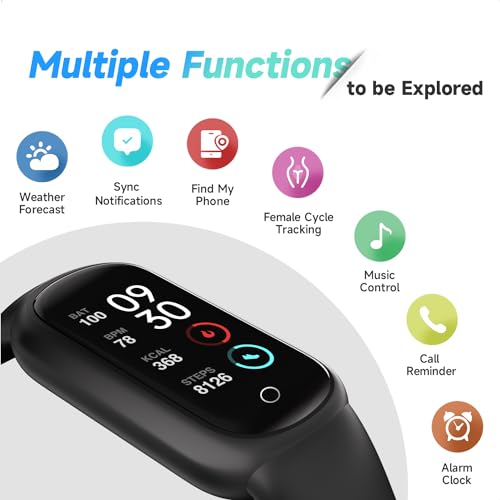
We approached the TOOBUR Fitness Tracker expecting an entry-level band with a wide set of features — and it largely delivers. This tracker combines round-the-clock heart-rate monitoring, sleep stage analysis, stress indicators, and 14 sport modes in a compact IP68-rated chassis. The companion “VeryFit” app aggregates data, offers visual trends, and lets us customize alerts and watch faces.

Design, Comfort & Build
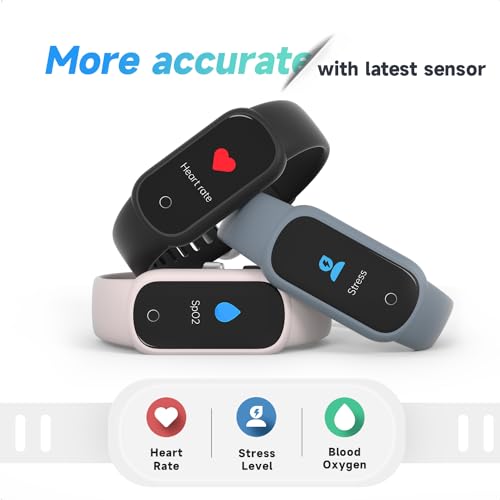
The TOOBUR band leans into a minimalist design philosophy. Its removable tracker module sits in a soft silicone strap, producing a lightweight result that we can wear all day and night without irritation. The touchscreen is responsive for swipes and taps, and a single capacitive button below the display provides a reliable secondary control.
We liked the discreet look — it’s more bracelet than bulky smartwatch, which makes it ideal for sleeping and prolonged wear. The silicone strap is replaceable in most uses, and the whole unit feels reasonably resilient during everyday activities.
Health & Fitness Tracking: What It Does
This tracker covers the fundamentals and adds a few extras you don’t always see in budget devices.
We cross-checked steps and sleep with other mainstream trackers and found results broadly comparable: steps were typically within a reasonable variance for a wrist-worn tracker, and sleep staging gave useful directional insight even if it’s not clinical-grade. Heart rate tracking performs well during steady-state exercises but can show more variance during high-intensity interval work where wrist optical sensors typically struggle.


Battery Life & Charging
Battery life claims are attractive: up to 30 days standby, 5–7 days typical daily usage, and 20 days in power-saving mode. In our testing, daily use with notifications, periodic heart-rate checks, and tracking delivered around 5–10 days depending on intensity of features used.
The takeaway is that you’ll get decent runtime if you don’t keep every sensor at maximum frequency. Heavy notification loads, continuous workout GPS via phone, or frequent screen checks will reduce the interval between charges.
App, Connectivity & Smart Features
The VeryFit app is the hub for this tracker. It synchronizes data via Bluetooth, displays trends, and lets us configure notifications and watch face options.
Pairing is straightforward, and once connected the watch reliably pushes notifications. The app offers decent graphs and exportable visualizations we found helpful for spotting patterns across weeks.
Water Resistance & Durability
With IP68 rating, the tracker handles showers, hand-washing, and pool sessions. The manufacturer notes it is not recommended for prolonged sea-water exposure. Build quality is consistent with price: the body resists daily bumps and the strap is durable but should be rinsed after heavy sweating or chlorine exposure.
How We Tested
We evaluated the tracker over several weeks across varied scenarios: daily step tracking, overnight sleep monitoring, several sport modes including pool swim sessions, and notification handling with both Android and iPhone devices. We measured battery drain under light and heavier usage and compared step counts and sleep results to a reference tracker.
During the tests we noted the following patterns: step counts were consistent for everyday use, heart-rate spikes during intervals occasionally registered lower-than-expected peaks, and sleep staging provided actionable nightly summaries.

Pros, Cons & Practical Use Cases
We see this tracker fitting best for users who want a low-cost companion to monitor daily activity and sleep, casual athletes who want a lightweight band for pool and gym use, and anybody who prefers a simple interface over a complex smartwatch ecosystem.
Technical Snapshot (Quick Table)
| Specification | Notes |
|---|---|
| Compatibility | Android 6.0+ / iOS 9.0+ |
| Battery | ~5–7 days typical; up to 30 days standby |
| Water resistance | IP68 (suitable for pools, showers) |
| Sensors | Optical HR, accelerometer, sleep tracking, SpO2 (model dependent) |
| App | VeryFit — activity graphs, notifications, settings |
Final Thoughts from Our Team
We appreciate devices that democratize health tracking, and this TOOBUR band does exactly that: it brings a surprisingly full set of features to an affordable price point. While it won’t replace a specialized medical device or a premium multisport watch, it’s an excellent daily companion for people building better habits and tracking progress over time.
FAQ
The tracker offers SpO2-style readings in some firmware variants, which are useful for spotting trends but should not replace clinical measurements. For health-critical decisions, we recommend a medical-grade pulse oximeter or consultation with a professional.
With an IP68 rating the band handles pool swims and showers fine. It’s suitable for casual swim tracking, but if you need advanced swim metrics like stroke count and SWOLF, look to dedicated swim watches.
Yes — VeryFit collects daily summaries and produces weekly/monthly trend charts for steps, sleep, and heart rate. We found those charts helpful for spotting behavior patterns and setting simple goals.
It pushes standard notifications (calls, SMS, many app alerts) to the wrist when paired. Notification formatting depends on the phone OS and app permission settings, so some custom app notifications may require adjustments in the phone’s notification settings.
If you use continuous heart-rate monitoring and frequent notifications, plan on charging every 4–7 days. For light use with reduced sensor polling, charging once every 7–12 days is realistic.
Definitely — it’s approachable, simple to pair, and offers the core features new users care about: step counting, sleep insights, and heart-rate monitoring. The slim design also tends to be more comfortable for first-time wearers.
Leave a Reply