


We test whether the Body Cardio’s pro-grade heart metrics truly outclass RENPHO’s smart simplicity — and which one actually upgrades our health-tech game.
We jump straight in: this guide pits the premium Withings Body Cardio against the budget-friendly RENPHO Elis 1, helping us decide which smart scale fits our tech-forward lifestyle and health goals with clear, practical advice for everyday tracking needs today.
Heart Health

We appreciate the combination of advanced cardiovascular metrics and consistently solid weight readings, making it a compelling tool for health-minded users. Its Wi‑Fi sync, professional app, and premium build justify the investment if you want deeper heart-health signals alongside standard body composition tracking.
Budget Fitness

We find it to be a pragmatic choice for users who want a lot of body-composition data without spending much. Its app ecosystem and unlimited profiles make it excellent for families, though advanced cardiovascular features and top-tier metric accuracy are not part of the package.
Withings Body Cardio
RENPHO Body Scale
Withings Body Cardio
RENPHO Body Scale
Withings Body Cardio
RENPHO Body Scale
Design, Build and Daily Use: Premium Feel vs Practical Simplicity
Materials, footprint and stability
We find the Withings Body Cardio reads as a premium device: a sleek tempered-glass top, metal accents and a slightly larger footprint that gives it a grounded, stable feel when you step on. That weight and build reduce wobble on tile floors and improve repeatability of weight readings.


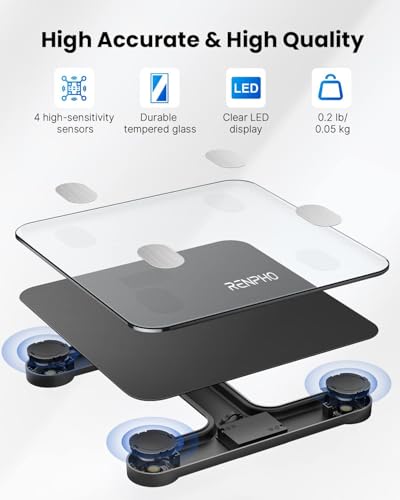
The RENPHO Elis 1 is far more compact and lightweight with 5mm tempered glass. It’s space-friendly and easy to tuck away, but because it’s lighter it can feel less anchored on uneven or slippery bathroom tiles.
Display and readability
Withings uses a larger, higher-contrast display that’s easy to read without bending over; it’s designed for quick glanceability during morning routines. RENPHO’s LED readout is smaller but backlit and perfectly readable for daily use; it’s functional rather than showy.
Onboarding and multi-user ergonomics
We liked Withings’ polished onboarding via Wi‑Fi and the scale’s reliable multi-user recognition for up to eight profiles. RENPHO uses Bluetooth and the Renpho app, supports unlimited profiles and auto-syncs later; it’s simpler to set up but slightly less seamless if you expect Wi‑Fi hands-off syncing.
Surface comfort, portability and real-world handling
Both scales have smooth, easy-to-clean surfaces and non-slip feet. Withings feels more “permanent” in place; RENPHO’s lighter chassis wins for portability and storage.


Power and maintenance
Withings leans toward long-life coin-cell power (replaceable CR2032-style batteries in many Withings models), minimizing battery swaps. RENPHO ships with 3x AAA cells—cheap and easy to replace but more frequent. Both handle humid bathrooms fine; we recommend non-slip placement on wet tiles and routine cleaning to keep sensors accurate.
Important points
Metrics, Accuracy and Validation: What Each Scale Measures and How Reliable It Is
What each scale reports
We break down the headline metrics so you can compare apples to apples.
Withings Body Cardio:


RENPHO Elis 1:


BIA, consistency and repeatability
We treat both scales’ body-composition outputs as trend tools, not absolute diagnostics. Both use bioelectrical impedance (BIA): a safe, fast method dependent on hydration, recent exercise, food intake, skin contact and time of day. That means:
Validation and clinical relevance: why Withings’ PWV matters
Withings adds pulse wave velocity and vascular age derived from validated sensors and cardioballistic timing. PWV is a true physiological marker of arterial stiffness — more clinically relevant than BIA-derived metrics.
Which numbers to trust for what
Connectivity, Apps and Ecosystem: Smarter Syncing and Integrations
How they connect: background sync vs phone-first pairing
We find Withings wins on convenience: Body Cardio uses Wi‑Fi plus Bluetooth, so weight and PWV readings upload automatically to the cloud from your scale without your phone present. That means continuous background updates and near‑instant history across multiple devices. RENPHO Elis 1 is phone‑first: Bluetooth sync with the RENPHO app, then the app relays data to third‑party services. It works well, but you must be near your phone (or open the app) for the freshest data.
App UX, history and trend visuals
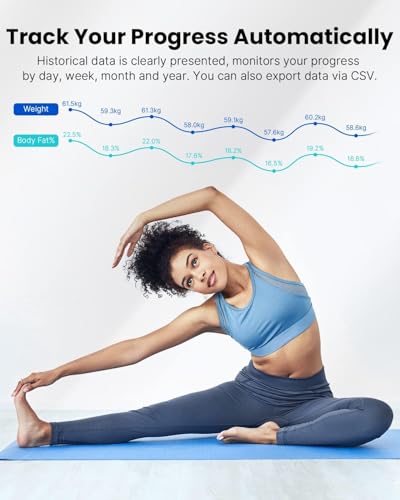
Withings’ Health Mate app is polished, with clear trend charts, PWV/vascular-age context and compact weekly/monthly views tailored to clinical or lifestyle tracking. RENPHO’s app is functional and packed with metrics — its charts are simpler but adequate for fitness trends. For deep visualizations and annotations, Withings provides the smoother experience for quantified‑self users.
Integrations, export and privacy
Multi-user, athletes and families
For athletes and quantified‑self users who want automatic cloudy backups, advanced integrations and exportable data for analysis, Withings is the better ecosystem. For families and budget buyers who want unlimited profiles, easy Bluetooth pairing and lots of body metrics at a low price, RENPHO delivers strong value.
Feature Comparison Chart
Value, Support and Real-World Recommendations: Who Should Buy Which Scale
Price-to-features and long-term value
We see a clear split: Withings Body Cardio (~£150) buys vascular-age, pulse-wave velocity, Wi‑Fi auto‑sync and a premium build. RENPHO Elis 1 (~£25) delivers 13 body-composition metrics and broad app integration at a fraction of the cost. If you value clinical-style cardiovascular metrics and background cloud backups, Withings gives better long-term utility. If you want maximum metrics per pound and simple Bluetooth syncing, RENPHO is the smarter short-term spend.
Warranty, support and firmware
Withings provides a manufacturer warranty and a polished support flow through its app and website; firmware and app updates arrive regularly to improve features. RENPHO offers a standard warranty and primarily Amazon-based support; app updates are frequent, but firmware and device-level feature rollout is less aggressive. Both brands occasionally rely on retailer returns for DOA units.
Expected longevity and resale
Withings’ metal/tempered-glass construction and premium branding hold up longer and retain higher resale value. RENPHO’s lighter build performs well for years but typically fetches a lower secondhand price. Battery vs rechargeable: RENPHO uses AAA batteries; Withings often has longer-lasting internal power solutions—factor maintenance cost.
Who should buy which (quick recommendations)
Practical upgrade tips
If you need automatic Wi‑Fi uploads, vascular metrics or plan to export clinical trends, upgrade to Withings. If you primarily track weight, body fat and want the best features per pound spent, save with RENPHO. For both: keep receipts, test on first use, and use Amazon/retailer return windows for quick replacements if anything arrives faulty.
Final Verdict: Choose Based on Health Focus and Ecosystem
We declare the Withings Body Cardio our overall winner. It targets clinically minded users with validated cardiovascular metrics, vascular age, Wi‑Fi syncing and a premium build for long‑term monitoring.
RENPHO Elis 1 is our best value pick: it delivers 13 body composition metrics, reliable Bluetooth app support and simple daily tracking at a much lower price. Quick checklist — choose Withings for heart‑focused, medical‑grade tracking and multi‑user accuracy; choose RENPHO Elis 1 for budget, broad metrics and easy Bluetooth ecosystem. Our pick gives clear guidance: pay for Withings when clinical-grade heart data matters; choose RENPHO to maximize metrics per dollar right now.
Leave a Reply