


Why Creatine Is Our Secret Performance Hack
We treat creatine like firmware for human performance — a simple, science-backed accelerator we can tune. It’s not a magic pill; it’s a biochemical lever that boosts strength, power, recovery, and cognition when we optimize it.
In this article we decode the science — from molecules to movement — and then hack the uptake curve with dosing and timing strategies. We evaluate formulations and delivery tech to choose what actually works. We map smart stacks and synergies to amplify effects. Finally, we give practical tracking, troubleshooting, and personalization protocols so this tool fits people and goals.
Our goal is clear: maximize gains, minimize side effects, and make creatine work for each of us.
The Science of Creatine: From Molecules to Movement
ATP–PCr: the instant power bank
At the molecular level creatine is our rapid-response energy reserve. During maximal efforts (think 1–10 seconds: sprints, heavy singles, explosive sets) ATP turnover is massive; creatine phosphate (PCr) donates phosphate to ADP to immediately resynthesize ATP. That buffering action preserves contractile force while glycolysis and oxidative systems spin up. Practically: if we want repeated, high-quality bursts, we need a stocked PCr system.
Cellular shifts: volumization and anabolism
Creatine does more than shuttle phosphates. It pulls water into muscle cells, increasing cell volume — a mechanical and biochemical signal that favors hypertrophy. Intracellular creatine also amplifies signaling pathways (mTOR, IGF-related cascades) that enhance protein synthesis and satellite cell activity. We see faster recovery between sets and higher training density when these mechanisms align with smart loading and progressive resistance work.
How creatine gets into cells: transport, gradients, and saturation
Uptake isn’t passive. The SLC6A8 (CRT) transporter is sodium- and chloride-dependent; a transmembrane ionic gradient helps drive creatine into muscle and brain. Insulin and transient osmotic shifts can increase transporter efficiency—hence the common practice of combining creatine with carbs or a mixed meal. Baseline muscle creatine matters: people with low pre-existing levels (often vegetarians or older adults) show larger gains; “nonresponders” frequently just start near saturation. That’s the lever we tune with dosing strategy.
Brain, recovery, and resilience
Creatine crosses the blood–brain barrier via the same transporter family and supports rapid ATP turnover in neurons. Clinically and in field studies, we see cognitive benefits under stress (sleep deprivation, hypoxia) and possible neuroprotective effects after brain injury. For athletes who rely on decision-making under fatigue, that’s as tactical as a stronger squat.
Quick, actionable levers we can pull now
Next, we’ll take these mechanistic levers—uptake, saturation, signaling—and translate them into precise dosing and timing hacks to optimize uptake and performance.
Optimizing Dose and Timing: We Hack the Uptake Curve
Loading vs. direct maintenance — pick your speed
We choose a path based on urgency. If we need saturation fast (tournament, testing block), we load: ~20 g/day split into 4×5 g for 5–7 days. For steady-state and simplicity, we skip loading and use maintenance dosing: 3–5 g/day. For a more precise approach we use body-mass calculations:
Loading accelerates saturation; maintenance keeps it there with lower daily burden.
Flat dose vs. per-kg: who benefits
We favor per-kg for athletes at weight extremes (lightweight athletes, big lifters). For most people, a flat 3–5 g/day is convenient and effective. If someone is under 60 kg, we lean per-kg to avoid overdoing it; over 100 kg we scale up toward 5 g+.

Timing: exploit blood flow and transporter activity
Blood flow and transporter responsiveness rise around exercise — that’s our window. Practical timing options:
We don’t rely on one “magic” moment — consistency and pairing matter more.
Co-ingestion tactics that move the needle
Insulin improves uptake. We use practical pairings rather than chasing large carb loads:
These combos give reliable uptake boosts without requiring 200 g of sugar.
Splitting doses and GI tolerance
GI issues are usually dose-related. We avoid single large doses by:
Travel and competition windows — low-friction routines
For travel days, we maintain with a single morning dose (3–5 g) with a protein bar. Before competition, ensure saturation weeks ahead: either load 7 days prior or start maintenance 3+ weeks out. Avoid last-minute megadoses — they don’t meaningfully change muscle stores acutely and can upset the stomach.
Formulation and Delivery Systems: Choosing the Right Creatine Tech
We treat creatine like platform hardware: the molecule is the firmware, but the casing, connectors, and manufacturing determine real-world performance. Here we parse formulations and delivery methods through a tech lens so you can pick what actually works in the field.
Baseline vs alternatives: reliability first
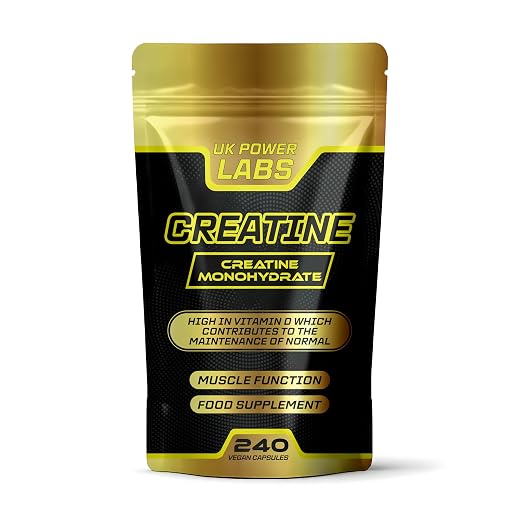
Creatine monohydrate (especially Creapure-grade) is our reliability baseline — proven, cheap, and stable. If you want predictable saturation, start here. Alternatives (HCl, buffered “Kre-Alkalyn”, creatine nitrate, esterified forms) promise better solubility or smaller doses. Reality check: many of those claims have limited human-data advantages over monohydrate; pick them mainly for tolerability or specific use-cases.
Solubility, stability, and bioavailability trade-offs
Delivery innovations: what actually matters
Vetting and QA: our checklist
Practical tip: if you want simplicity and proven effect, start Creapure monohydrate micronized powder. Swap to HCl or encapsulated forms only if GI tolerance or logistics demand it — and always verify the CoA before buying.
Synergies and Stacking: Combining Creatine with Other Interventions
We treat creatine as the core module and then pair peripherals that amplify its throughput. Below we map evidence-backed stacks, timing hacks, and practical templates so we can pick what to add first based on our goals.
Nutrient co‑loading: carbs and protein for uptake
Creatine transport is insulin‑sensitive — simple, practical rule: pair creatine with a small insulinogenic bolus to speed muscle uptake. We typically do:
Small real‑world tweak: a 30 g whey + 5 g creatine shake is easy to pack and works well on travel days.
Stimulant interaction: caffeine timing and safety
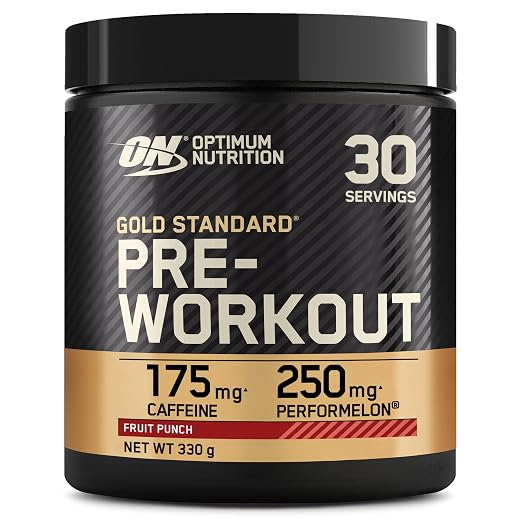
Caffeine and creatine aren’t mortal enemies, but timing matters. Acute caffeine doesn’t erase long‑term creatine adaptations in humans, yet we’ve seen inconsistent acute performance signals in sprint protocols.
To hedge risk:
Complementary ergogenics: beta‑alanine, citrulline/nitrate, HMB
We avoid stacking multiple stimulants and monitor GI tolerance when combining powders.
Non‑chemical enhancers: training, hydration, sleep, thermoregulation
Prioritization checklist
We test one new variable at a time, track performance metrics, and scale stacks based on tolerability and goal alignment.
Practical Implementation: Tracking, Troubleshooting, and Personalized Protocols
We convert the prior science into an actionable playbook. Below are the steps, metrics, and SOPs we use so each creatine tweak becomes a repeatable experiment — fast feedback, low noise, clear decisions.
Step-by-step implementation
- Baseline week: record lifts, body mass, sleep, and one body‑comp metric (scale or tape).
- Start protocol (maintenance or short loading) and pair with chosen stack (protein/carbs, beta‑alanine, etc.).
- Re-test key lifts weekly and body composition every 2–4 weeks; note subjective recovery daily.
- Iterate one variable at a time for 2–4 weeks before changing.
Quick example: we gave a collegiate rower 5 g/day with post‑workout carbs, tracked 2K time and perceived recovery, and adjusted only volume after two weeks when times stalled.
Metrics to track (minimal viable dataset)
We favor simple, objective signals: weekly strength curve + biweekly body comp + daily subjective recovery.
Timeline for measurable responses
Troubleshooting SOPs
Personalization & when to escalate
We run every change as a 2–6 week N=1 experiment, log results, and only scale stacks that pass the test — then we move to the final synthesis of these hacks.
Putting the Hacks into Practice
We summarize mechanism, dosing, formulation, synergies, and tracking as the core levers we manipulate to boost power, recovery, and resilience. Thoughtful selection and monitoring turn creatine from a supplement into a precision tool.
Checklist: choose bioavailable form; set personalized loading/maintenance dose; time around training and sleep; stack with carbs, protein, creatine transport enhancers where evidence supports; track intake, body composition, performance, and side effects; iterate based on data. Let’s deploy and measure together now.
Leave a Reply