


Why Tech-Savvy Picks Matter for Beginner Runners
We combine simple gadgets, clear data, and quick tests to help beginners choose running shoes that fit, cushion, and protect from day one. Our tech-driven method keeps choices smart, lowers injury risk, and boosts confidence and keeps you motivated daily.
What You'll Need

Measure Your Feet Like a Pro
Think your size is fixed? Tiny changes in width and volume change everything.Measure your feet at the end of the day wearing your running socks. We take precise length, width, volume and arch-height readings to avoid buying shoes that squeeze or leave dead space.
Use a tape and ruler or open a 3D foot‑scan app on your phone. For a quick manual check, stand on paper, trace heel-to-toe, then measure the longest and widest points. For tech scans, follow the app prompts and capture both feet.
Record both feet (they often differ) and save scans for comparing models.

Analyze Your Gait with Simple Tech
What does your stride tell us? Data beats guesswork—trust the numbers.Use smartphone gait apps, treadmill video, or a basic gait analysis at a specialist store to check pronation, foot strike, cadence, and stride length. Record short clips from behind and the side, or wear a cadence sensor for 5–10 minutes.
Look specifically for excessive inward roll (overpronation), very low cadence (under ~160 steps per minute), obvious heel or forefoot bias, and left/right asymmetries. These metrics tell us whether we need stability features, neutral cushioning, or cadence-focused coaching.
Capture short clips or wearable metrics so we can compare shoes objectively rather than relying on feel alone.
Choose the Right Cushioning and Support
Cushioning isn’t luxury—it’s a tuning parameter: plush vs responsive, which side are we on?Match cushioning to our body weight, goals, and running surface. Pick lightweight, responsive foams for short, faster efforts and plush, higher-stack options for long runs and shock absorption. Consider stack height and heel-to-toe drop to guide footstrike mechanics.
Test on a short run and track fatigue and gait metrics. Use data, not novelty feel, to avoid shoes that tire us later.

Pick the Perfect Fit and Sizing Tech
Don’t trust the number on the box—fit tech tells the real story (and saves returns).Assess toe-box volume, midfoot lockdown, and heel-cup stability by feeling fit and watching our foot move during a quick walk.
Use pressure-mapping tools or in-store 3D scanners when available to spot hot spots or slipping before we buy.
Try different lacing techniques (runner’s loop, window lacing) to tune fit.
Test for heel slip with a short jog; a small slip on early runs predicts blisters.
Keep return windows and demo-run policies in mind.
Practice this: when sizing apps suggest half a size up, we run 10–15 minutes in them before committing.
Compare Traction, Weight, and Durability Data
Lightweight thrills vs long-term mileage—what metrics should tip the scales?Compare outsole compounds, lug patterns, and published weights to match terrain and our training plan. Use specs, lab pics, and close-up photos; don’t trust looks alone.
Balance trade-offs: lighter shoes save energy on short tempo runs but often wear faster; denser carbon-blend rubber and reinforced toe areas boost mileage. For example, if we run 30–50 km/week on pavement, shaving 30–50 g per shoe can feel faster; if we target 800+ km/year or run rocky trails, we should prioritize durability.
Look for brand mileage estimates and independent abrasion tests when available and cross-check them with real-user reports.

Test, Track, and Iterate
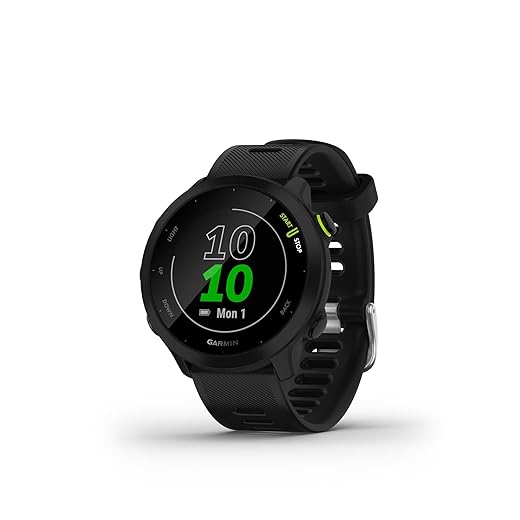
Buy, try, track — then repeat. Data-driven tweaks make us better, faster.Run short test sessions (3–10 km) and log everything with our app or wearable for at least two weeks. Record comfort, pain, cadence, perceived effort, distance, and any hotspots or heel slip after each run.
Log examples:
Use simple metrics: track cadence trends, average comfort score, and count runs with heel slip. Keep a spreadsheet with model, size, app screenshots, and short notes so our future choices get smarter from accumulated data.
Ready, Set, Tech-Forward Run
We’ve built a pragmatic, data-first process for beginners—measure, analyze, test, and iterate until fit and feel align. Try it, track your results today, and share your journey with us online.
Leave a Reply